

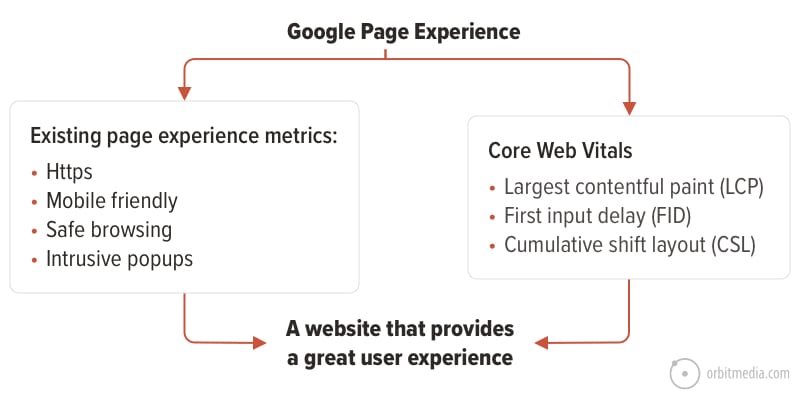
Achieve top SEO rankings by mastering Google Core Web Vitals optimization. Practical, expert strategies to improve LCP, FID, CLS, and INP for superior user experience.

In the competitive landscape of digital marketing, website performance is no longer a luxury; it’s a fundamental requirement. Google’s Core Web Vitals, launched as ranking signals in 2021, have fundamentally shifted how we approach technical SEO. From my vantage point, working with various businesses across the US, I’ve observed that understanding and actively pursuing google core web vitals optimization isn’t just about appeasing an algorithm. It’s about delivering a superior user experience that ultimately leads to better engagement, higher conversions, and sustained organic visibility.
Overview
- Core Web Vitals are critical performance metrics impacting user experience and SEO.
- Understanding and measuring Largest Contentful Paint (LCP), First Input Delay (FID), Cumulative Layout Shift (CLS), and Interaction to Next Paint (INP) is the first step.
- Practical strategies focus on image optimization, server response times, efficient CSS/JavaScript, and stable layouts.
- Improving these metrics directly correlates with better search engine rankings and user satisfaction.
- Ongoing monitoring through tools like Google PageSpeed Insights and Search Console is essential for sustained success.
- Real-world application involves iterative improvements, focusing on user-perceived speed and responsiveness.
Establishing a Baseline for google core web vitals optimization
Before any meaningful changes, you must understand your current performance. This involves using tools like Google PageSpeed Insights, Lighthouse, and Google Search Console’s Core Web Vitals report. These provide crucial data on Largest Contentful Paint (LCP), First Input Delay (FID), Cumulative Layout Shift (CLS), and the newer Interaction to Next Paint (INP). LCP measures loading performance, indicating when the main content element is visible. FID (soon to be replaced by INP) assesses interactivity, gauging the delay before a browser responds to user input. CLS quantifies visual stability, measuring unexpected layout shifts. INP offers a more holistic view of interaction responsiveness.
From experience, many sites initially struggle with LCP due to unoptimized images or slow server response times. Identifying these bottlenecks is key. We typically analyze the waterfall charts in developer tools to pinpoint render-blocking resources and long-running scripts. This diagnostic phase forms the bedrock of any successful google core web vitals optimization strategy. Without a clear baseline, efforts can be misguided, leading to wasted time and resources. Prioritize gathering accurate data across different page types, not just your homepage. This paints a realistic picture of user experience throughout your site.
Addressing Key Performance Metrics (LCP, FID, CLS, INP)
Each Core Web Vital metric requires specific attention. For LCP, common issues stem from large image files, unoptimized video embeds, or inefficient server infrastructure. Practical steps include serving images in next-gen formats like WebP, implementing lazy loading for off-screen images, and upgrading hosting for faster server response times. Content Delivery Networks (CDNs) also play a significant role in reducing latency for users globally, including those in the US.
When tackling CLS, the focus shifts to visual stability. Many layout shifts occur because images, ads, or other dynamic content load without reserving adequate space. Specifying width and height attributes for images and video elements, or using CSS aspect-ratio property, can prevent these jumps. Avoid inserting content above existing content unless triggered by user interaction. For FID and INP, the goal is to minimize main-thread work. This often means reducing JavaScript execution time, splitting large code bundles, and deferring non-critical scripts. Async loading for JavaScript is another powerful technique.
Real-World Techniques for Effective google core web vitals optimization
In practice, achieving good Core Web Vitals scores often involves a multi-faceted approach. For LCP, consider server-side rendering (SSR) or static site generation (SSG) where appropriate, as they deliver fully rendered HTML faster. Prioritizing critical CSS to inline the styles needed for above-the-fold content dramatically improves perceived load speed. This prevents users from seeing unstyled pages. Image compression, not just format conversion, also significantly reduces file sizes without compromising visual quality. We often use tools that automatically compress upon upload.
Regarding CLS, dynamically injected ads are a frequent culprit. Working with ad providers to reserve space or implement responsive ad slots correctly is paramount. User-triggered pop-ups should be carefully designed to avoid unexpected shifts. For interactive metrics like FID and INP, minimizing JavaScript impact is critical. Auditing third-party scripts, which can often be heavy and block the main thread, is essential. Delaying execution of non-essential scripts until after the initial page load improves responsiveness. True google core web vitals optimization requires constant vigilance over code quality and resource loading.
Monitoring and Maintaining Your google core web vitals optimization Efforts
Optimization is not a one-time task; it’s an ongoing process. Websites evolve, content changes, and new features are added, all of which can impact Core Web Vitals. Regularly checking your Google Search Console Core Web Vitals report provides field data, reflecting real user experiences. This is far more valuable than lab data alone. PageSpeed Insights and Lighthouse remain crucial for diagnosing specific page issues. Setting up automated performance monitoring tools can alert you to regressions before they significantly affect your SEO.
We implement routine audits, typically monthly, to review site performance. This includes reviewing JavaScript bundles, image libraries, and third-party script impacts. Any new template or content type should undergo a performance check before deployment. Maintaining good server health and efficient database queries also indirectly supports strong Core Web Vitals. The commitment to continuous google core web vitals optimization ensures your website remains fast, stable, and responsive, providing a superior experience for every visitor and maintaining its strong position in search results.