

Savor the true Mediterranean taste with local insights. Explore traditional flavors, fresh ingredients, and healthy eating habits. Mittelmeerküche genießen like a true local.
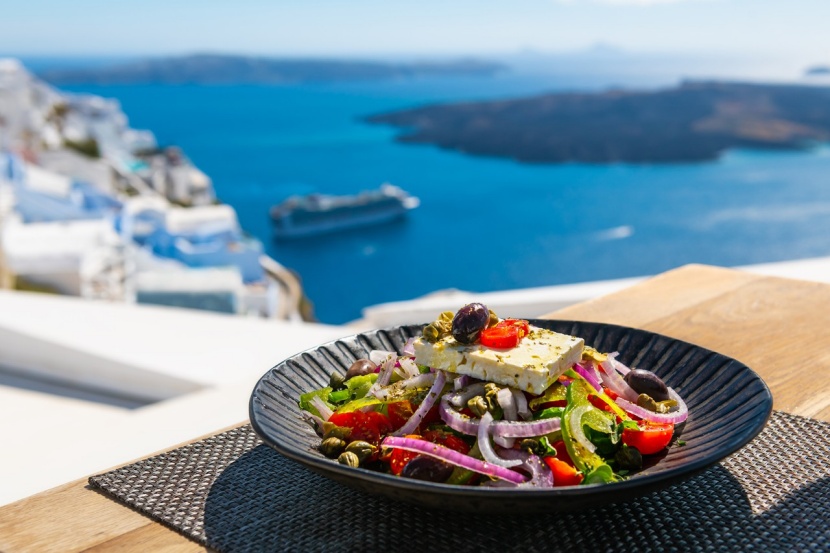
My journeys across Greece, Italy, and Spain have taught me much about genuine Mediterranean food. It’s more than just a diet; it is a way of life. The experience goes beyond recipes, touching daily rhythms and community spirit. I learned that truly appreciating this cuisine means embracing simplicity and freshness. It involves understanding the passion behind each dish.
Overview:
- Authentic Mediterranean cuisine emphasizes fresh, seasonal ingredients and simple preparations.
- Olive oil is a foundational element, used generously for flavor and health.
- Meal times are often social events, fostering community and slow eating.
- Traditional dishes vary regionally, reflecting local produce and cultural heritage.
- The lifestyle promotes balance, fresh air, and moderate physical activity.
- Enjoying this food means appreciating its health benefits and vibrant flavors.
- It’s a stark contrast to many fast-food cultures, including those found in the US.
Savoring Traditional Flavors for Mittelmeerküche genießen
When you sit down to Mittelmeerküche genießen, you’re often presented with dishes refined over centuries. My clearest memory is from a small taverna in Crete. The owner served me “dakos,” a traditional Cretan rusk soaked in olive oil, topped with grated tomato, crumbled feta, and wild oregano. Its simplicity masked profound flavors. This experience taught me that true taste comes from ingredient quality, not complexity.
A key part of the flavor profile is the regionality. In Sicily, lemons and seafood dominate. On the Iberian Peninsula, cured meats, paprika, and saffron play bigger roles. Each area uses what grows best locally. This ensures peak freshness and intense flavor. Eating locally means tasting the land itself. It connects you directly to the source.
I recall a conversation with a Greek yiayia (grandmother). She explained that her cooking wasn’t about fancy techniques. It was about respecting the ingredients. Her vegetables came from her garden. Her olive oil came from her family grove. This deep connection to the source is vital. It creates a difference you can genuinely taste.
The Art of Simple Ingredients
The bedrock of Mediterranean cooking lies in its ingredients. They are often humble but always fresh. Think ripe tomatoes, crisp cucumbers, vibrant bell peppers, and fragrant herbs. Extra virgin olive oil is king, used generously in everything from salads to stews. My Greek friends use it like water, not just for cooking, but as a finishing touch on almost every dish.
Legumes, whole grains, and nuts form a significant part of meals. Lentils, chickpeas, and beans appear frequently. Whole wheat bread is a staple, often dipped in olive oil and sprinkled with salt. Fish and seafood are common, especially in coastal regions. They are usually grilled or baked, simply prepared to highlight their natural taste. Red meat is eaten less often, usually reserved for special occasions.
I’ve learned that shopping at local markets is essential. The bustling atmosphere, the vibrant colors, and the earthy smells tell a story. Vendors sell produce picked that very morning. There is a palpable difference between these items and supermarket alternatives. This dedication to fresh, unprocessed food is a cornerstone. It defines the authentic culinary experience.
Healthy Habits for Mittelmeerküche genießen
The health benefits of this diet are well-documented. It promotes heart health and longevity. However, it’s more than just what you eat; it’s how you eat. Meals are slow, often lasting hours. They are shared with family and friends. This communal aspect reduces stress and fosters connection. It is a fundamental part of Mittelmeerküche genießen.
Portion sizes are typically moderate. People eat until satisfied, not stuffed. Water is the main drink, often accompanied by a small glass of wine. The emphasis is on balance. Daily physical activity, like walking, is also common. It complements the dietary choices perfectly. This holistic approach contributes to overall well-being.
Comparing this to the fast-paced eating culture in the US, the contrast is clear. There, quick meals and larger portions are common. Here, food is savored. It’s a mindful act, not just fuel. This makes a significant difference in both physical and mental health. My travels taught me to slow down and enjoy each bite.
A Local’s Guide to Mittelmeerküche genießen
To truly Mittelmeerküche genießen like a local, seek out small, family-run eateries. Avoid tourist traps. Look for places where locals are dining. Often, the menu will be small, focusing on seasonal availability. Ask for recommendations. Engage with the owner or staff. They often take pride in sharing their culinary heritage.
Embrace the concept of sharing plates. Many Mediterranean meals involve several small dishes served concurrently. This encourages variety and communal eating. Don’t be afraid to try new things. Some of the best discoveries are dishes you’ve never heard of. Trust the local wisdom and taste.
Cooking at home is another excellent way to experience the cuisine. Start with simple recipes. Focus on fresh vegetables, good olive oil, and herbs. Visit local farmers’ markets for your ingredients. Even outside the Mediterranean, you can adopt these principles. It’s about mindset and ingredient quality. This approach allows anyone to savor the authentic taste.