

Key Takeaways
- A mountain setting should fit daily life, not simply impress during a showing.
- Travel routes, winter driving, nearby services, and road maintenance deserve close attention.
- Rental policies, HOA rules, and renovation limits can affect how a home may be used.
- Taxes, insurance, snow removal, utilities, and repairs all belong in the ownership budget.
- Visiting a community in more than one season can reveal details that listings cannot show.
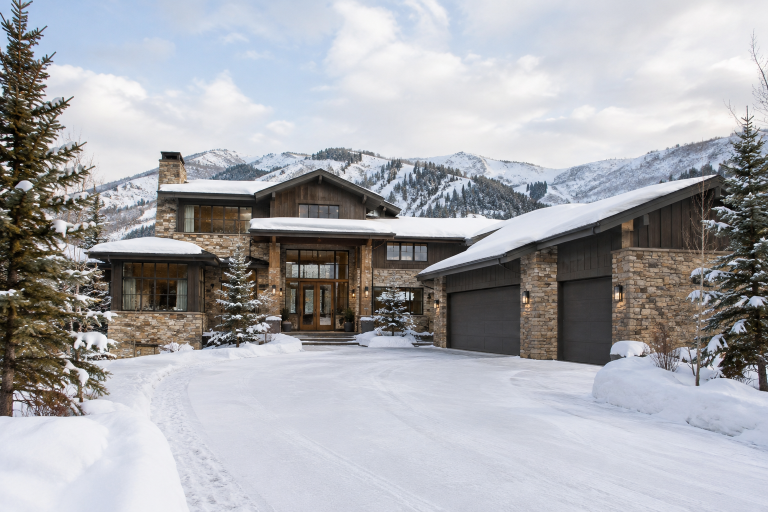
Buying a mountain home in Park City, Utah is about more than choosing the best view or the closest address to a ski lift. Daily routines, winter access, property upkeep, neighborhood rules, and the way a community feels in quieter months can have just as much influence on whether a second home remains enjoyable over time.
For buyers weighing Park City, Deer Valley, and nearby luxury communities, Park City UT real estate experts Stein Eriksen Realty Group offers local guidance through a full-service brokerage focused on buying and selling mountain properties. Stein Eriksen Realty Group works across Park City, Deer Valley, and surrounding luxury communities, making its team a useful resource for comparing neighborhood character, home types, access considerations, and the practical realities of mountain-area ownership.
Start With the Reason for Buying
A clear purpose makes it easier to compare homes fairly. A weekend retreat may work well with a smaller condo near dining and recreation. A home intended for multigenerational gatherings may need more bedrooms, storage, parking, and a straightforward route for guests. Buyers planning for retirement may place greater value on year-round services, access to medical care, and a manageable floor plan.
Common reasons for buying include a seasonal residence, a family gathering place, a future primary home, a part-time rental, or a long-term lifestyle purchase. Each use calls for different priorities. Before touring homes, write down how often the property will realistically be used, who will use it, and what would make each visit easy or difficult.
Compare the Daily Drive, Not Just the Map
Distances can look modest on a map while feeling very different on mountain roads. Drive the route from the airport, grocery store, restaurants, medical care, and the activities that matter most to your household. Consider traffic patterns, road grade, visibility, parking, and whether the final approach is on a public or private road.
A scenic home that adds 30 minutes to every grocery run, dinner reservation, or guest pickup may still be the right choice, but buyers should make that decision with open eyes. Ask whether winter tires, four-wheel drive, snow tires, or guest parking arrangements could become part of the routine.
Questions to Ask About Access
- Who plows the road, driveway, and shared parking areas?
- Is there a road maintenance agreement or an HOA responsibility?
- Can delivery vehicles, contractors, and emergency responders easily reach the home?
- Will guests feel comfortable navigating the route after dark or during snowfall?
Study the Seasonal Rhythm
Park City changes with the calendar. A neighborhood that feels energetic during ski season may be calmer at other times of year, while construction, trail access, business hours, and traffic can also shift by season. Visit during a busy period and return during a quieter month if possible. Spend time in the immediate area, not only at the property.
As you compare locations, use questions about the neighborhood to organize conversations about convenience, transportation, planned development, local conditions, and surroundings that may affect everyday enjoyment.
Review Rules Before Falling in Love With a Property
Rules can shape a second-home purchase as much as the home itself. Local regulations and association documents may address short-term rentals, minimum rental periods, occupancy, pets, parking, exterior changes, accessory units, and home-based business activity. A buyer should review the documents that apply to the specific property rather than relying on assumptions about a broader neighborhood.
Rental income should never be treated as guaranteed. Buyers considering that option should confirm the written rules, understand management costs, and ensure the purchase still works if rental revenue is lower than expected. The National Association of REALTORS® outlines several considerations for second-home buyers, including testing a location, evaluating rental plans, and preparing for property care.
Build the Real Ownership Budget
The mortgage payment is only one line in the budget. Create monthly and annual worksheets that include property taxes, homeowners insurance, HOA or condominium fees, utilities, internet, snow removal, landscaping, property management, home-watch visits, furnishings, and routine repairs.
Mountain homes may also need periodic attention to roofs, drainage, heating systems, decks, retaining walls, and exterior finishes. Set aside an emergency reserve for unexpected repairs or weather-related issues. Insurance availability, deductibles, and coverage details can vary by property and location, so obtain quotes early in the process.
Check Utilities and Home Systems Carefully
Due diligence should reflect the home’s actual setting. Depending on the property, buyers may need to evaluate wells, septic systems, propane service, backup power, cell reception, broadband speed, snow-load history, drainage, and slope conditions. A standard inspection is important, but ask inspectors and relevant specialists to focus on climate, elevation, access, and systems that are common in mountain homes.
Use a Personal Neighborhood Scorecard
A useful comparison is specific to the buyer, not a generic ranking of which area is “best.” Score each shortlisted community according to the factors that matter most:
- Access: winter driving, airport route, parking, and road maintenance.
- Services: groceries, restaurants, repairs, health care, and recreation.
- Privacy: nearby homes, road noise, trail activity, and expected quiet.
- Rules: rental, renovation, pet, parking, and occupancy policies.
- Costs: insurance, fees, maintenance, utilities, and reserves.
- Resale appeal: the likely appeal to future buyers with similar needs.
Think About Resale Without Chasing Hype
A second home should first serve the owner’s lifestyle. Still, it is wise to consider what could limit the pool of future buyers. Difficult access, unusually high carrying costs, narrow floor plans, or restrictive use rules may matter to future purchasers. Compare recent sales of genuinely similar homes, including location, condition, amenities, views, and access, instead of relying on broad averages for the entire Park City area.
A Simple Three-Step Decision Process
- Shortlist: Select two or three communities that fit your budget, household needs, and preferred mountain lifestyle.
- Test: Drive the routes, visit in different seasons, and experience ordinary errands as well as recreation.
- Verify: Confirm ownership costs, rules, insurance, utilities, inspections, and comparable sales before making an offer.
The right Park City-area mountain home should work well beyond the deck’s view. By comparing access, seasonal rhythm, services, rules, maintenance, and long-term flexibility, buyers can choose a property that feels rewarding in every season.
