

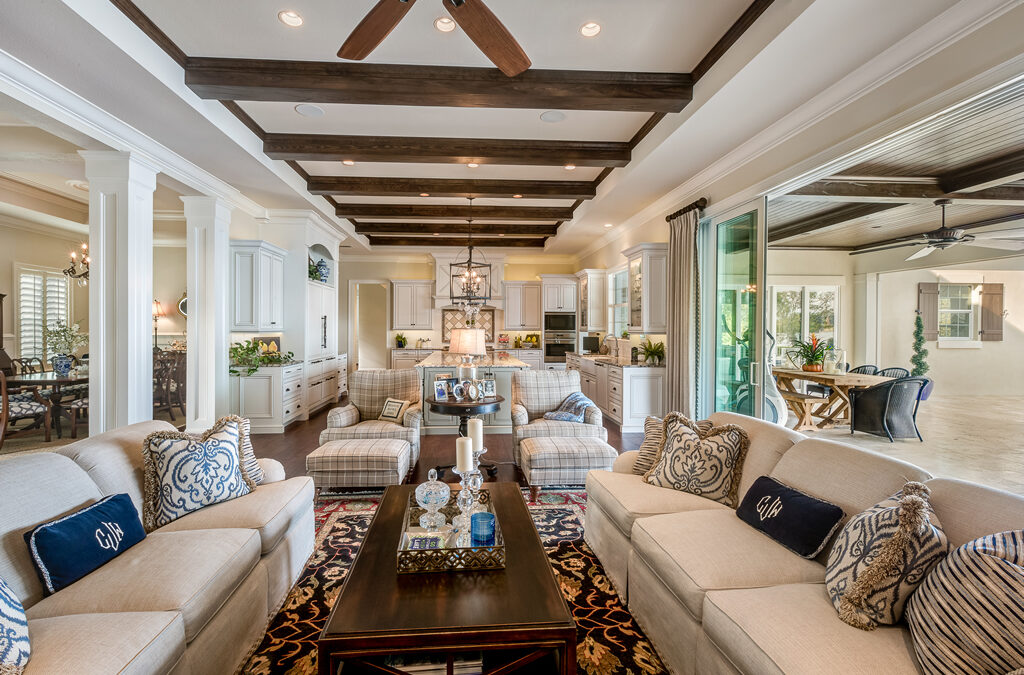
Dining rooms occupy a unique place in the home. They’re formal but not stiff, social but not loud, and often used more in the evening than during the day. Curtains in this space aren’t just about filtering light—they set the tone for gatherings, elevate the architecture, and quietly influence how the room feels when everyone finally sits down.
Designers tend to treat dining room curtains as a finishing layer rather than an afterthought. Below are their most trusted styling principles, refined for real homes and real use.
Go Full-Length for Instant Elegance
Designers almost unanimously agree on one rule: dining room curtains should nearly always be full-length. Short curtains or cafe styles tend to feel casual and visually disruptive in a room meant for lingering meals and conversation.
Floor-length custom curtains create a continuous vertical line that adds elegance and helps anchor the space. Even in dining rooms with modest ceilings, extending curtains from a higher mounting point elongates the room and gives it a more composed, intentional look.
Choose Fabrics That Feel Substantial, Not Heavy
Dining rooms benefit from fabrics that have presence without looking weighed down. Designers often reach for linen blends, cotton-silk mixes, wool textures, or softly structured weaves that hold their shape beautifully.
These materials drape well and catch light in a way that feels warm rather than theatrical. Sheer fabrics alone can feel too informal for dining spaces, while overly heavy velvets may overwhelm smaller rooms. The goal is balance—fabric that feels considered and tactile, but still breathable.
Let Curtains Frame the Window, Not Fight It
A common designer trick is to treat curtains as a frame rather than a covering. In many dining rooms, curtains are kept open for most of the day, allowing natural light to wash the room while the panels add softness at the edges.
Mounting curtains wider than the window itself makes the window appear larger and prevents the fabric from blocking the glass when open. This approach enhances both light and proportion, especially in narrower dining areas.
Use Colour to Ground the Room
Curtains in a dining room can play a quiet but powerful role in the colour story. Designers often use them to ground the space, either by echoing tones already present in the room or by introducing a deeper, anchoring shade.
Neutrals remain popular, but they’re rarely flat. Think warm stone, soft taupe, mushroom, or greige rather than stark white. In more expressive dining rooms, deeper hues like olive, rust, inky blue, or charcoal add richness and intimacy, particularly for evening dining.
Pay Attention to Pleating and Header Style
The header of a curtain is one of the most overlooked details, yet designers consider it essential in dining rooms. Structured pleats, such as Euro pinch pleats or French or goblet pleats, give curtains a more architectural presence and help them hang neatly.
This structure keeps the treatment from looking casual or improvised. In a room where table settings, lighting, and furniture are often carefully considered, the curtains should reflect the same level of intention.
Layer with Roman Shades for Functionality
While curtains bring atmosphere, designers often layer them with a discreet inner treatment for practicality. Custom roman shades provide light control and privacy when needed, especially in dining rooms that face the street or receive harsh afternoon sun.
Layering allows the curtains to remain largely decorative while the shade handles daily function. This combination keeps the room looking polished without sacrificing comfort.
Mind the Relationship with the Table and Chairs
Curtains in a dining room should work in harmony with the furniture, not compete with it. Designers pay close attention to how fabric moves around chairs and how colours interact with wood finishes, upholstery, and table linens.
A busy pattern can overwhelm a dining set with strong grain or detailing, while overly plain curtains may feel underwhelming in a richly furnished room. The best choices sit comfortably in between, supporting the table rather than stealing focus from it.
Use Curtains to Enhance Acoustics and Mood
Beyond aesthetics, curtains serve a practical purpose in dining rooms by softening acoustics. Fabric absorbs sound, making conversations feel more intimate and reducing echo in rooms with hard surfaces.
This subtle effect is one reason designers almost always include curtains in formal dining spaces. They make the room feel warmer, quieter, and more welcoming—especially during long meals and gatherings.
Final Thoughts: Curtains That Set the Scene
Dining room curtains aren’t just decorative; they shape how the space is experienced. From how light falls across the table to how conversations carry through the room, the right curtains quietly enhance every moment spent there.
When chosen with care—in fabric, length, colour, and structure—curtains become an integral part of the dining experience, not just a backdrop to it.